
Your hardwood floors are beautiful, but perhaps their honey-gold color feels dated, or the dark espresso shade you once loved now makes your space feel smaller. As a homeowner, you’re not stuck with the color of your floors. In fact, changing their color is one of the most transformative renovations you can do.
The answer is a resounding yes: you can change the color of hardwood floors. However, this isn’t a simple DIY painting project. It’s a specialized process that requires professional expertise and careful consideration. It’s the difference between a minor update and a total style overhaul.
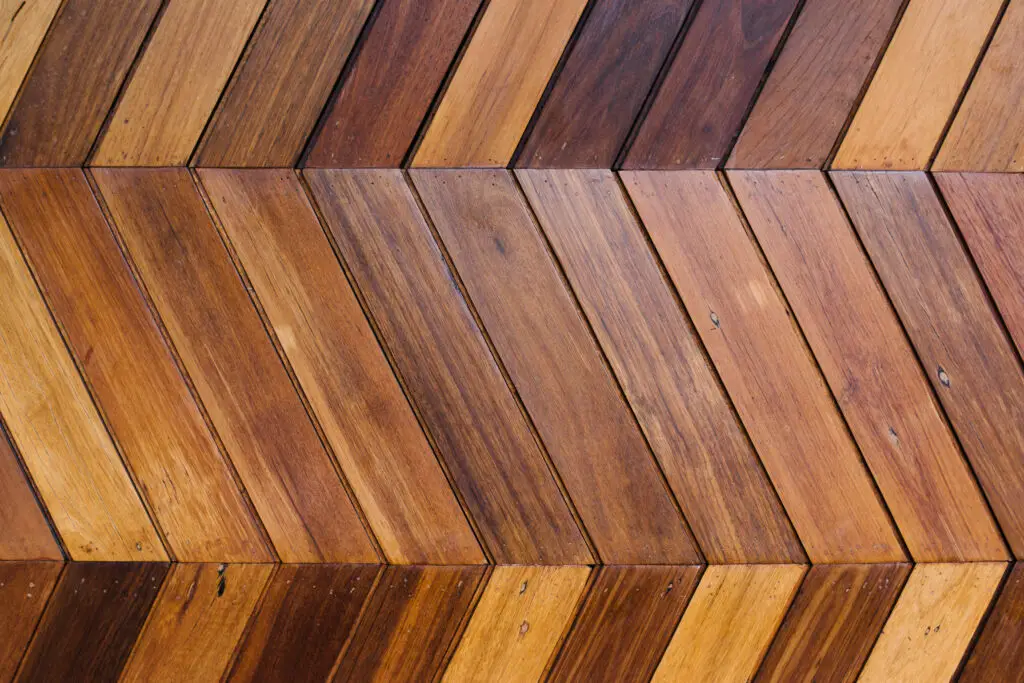
How Hardwood Color Can Be Changed
The fundamental process for changing the color of your hardwood floors is a two-step journey: removing the old finish and applying a new one.
Sanding to remove old finish
Before any new color can be applied, the old color and finish must be completely removed. This is done by sanding the floors with professional-grade machines. The process involves a progression of sandpaper grits, starting coarse to strip away the old finish and any minor imperfections, and finishing with a fine grit to create a smooth, clean surface that is ready to accept a new stain. This sanding process is the most critical step, as any leftover color or uneven spots will be highlighted by the new stain.
Restaining with lighter or darker shades
Once the floors are bare and perfectly smooth, you can apply a new stain. You have two primary options:
- Going darker: This is generally the easier path. The wood is naturally porous, and a darker pigment can easily penetrate the open grain. You can choose from a wide range of shades, from warm walnuts to deep ebony, to create a dramatic and modern look.
- Going lighter: This is a more challenging but increasingly popular trend. To achieve a lighter color, like a light gray or whitewash, the old color must be completely removed. In some cases, a wood bleach or a neutralizing pre-stain may be needed to counteract the wood’s natural tones, particularly in red oak.
Limitations to Consider
While changing your floor color is possible, it’s not a one-size-fits-all solution. There are key limitations that can affect the outcome.
Engineered vs. solid hardwood
The type of hardwood you have is a major factor. Solid hardwood floors are made of a single piece of wood, giving them a very thick wear layer. This means they can be sanded and refinished many times over their lifespan, offering you the freedom to change the color multiple times.
Engineered hardwood, on the other hand, is a composite material with a thin top layer of real wood veneer. This wear layer can range in thickness, and some engineered floors can only be sanded once or twice—or not at all. It’s crucial to know the thickness of your wear layer before attempting a color change.
Wood species differences
Each species of wood has its own unique characteristics that affect how it takes stain.
- Red Oak: This is one of the most common flooring woods. While it’s very durable, it has natural reddish or pinkish undertones. When you try to apply a gray or cool-toned stain, those red tones can fight through, resulting in a purplish or pinkish hue.
- White Oak: A popular choice for modern design, white oak has more neutral undertones, making it easier to achieve true gray, white, or natural light brown finishes.
- Maple: Maple is a very dense wood with a tight grain. It does not absorb stain well and can lead to a blotchy or streaky appearance, especially with dark stains.
Professional vs. DIY Color Change
A hardwood color change is a major project that is best left to the professionals.
Why pros deliver consistent results
Professional hardwood floor refinishers use industrial-grade sanding machines that create a perfectly flat and uniform surface. They have the experience to prevent sanding marks, swirls, and “chatter marks” that are common with rented equipment. A pro also knows how different wood species and grains will react to various stains, ensuring a beautiful and consistent finish without blotches or unevenness.
Risks of uneven DIY staining
When a DIYer attempts to sand and stain their floors, the risks are high. A minor mistake can leave a permanent mark on the floor that requires a full professional refinish to correct. Uneven sanding can leave a floor with visible dips and ridges, and improper stain application can lead to blotchy areas where the color did not absorb properly.
Alternative Options
Beyond traditional staining, there are other creative ways to change your floor’s color.
Whitewashing or bleaching
If you want a very light, Scandinavian, or coastal look, whitewashing or bleaching your floors can achieve a stunning result. Whitewashing involves applying a thinned-down white stain that allows the wood grain to show through. Wood bleaching is a chemical process used to remove the natural color from the wood, making it a blank canvas for a lighter, more modern look.
Dark stains for dramatic results
Darker stains, like ebony or espresso, create a sleek, modern, and dramatic look. They can also be very practical as they tend to hide small imperfections, knots, and variations in the wood. However, keep in mind that they also show dust and scratches more easily.
FAQs
Can red oak be stained grey?
Yes, but it’s very challenging and the results can be unpredictable. Due to red oak’s prominent reddish undertones, a gray stain can often turn out with a pink or purple tint. Professionals typically use a multi-step process, such as applying a color-neutralizing stain or a special stain formulated to counteract the red tones, to achieve a true gray.
Can light floors be made dark?
Yes, going from light to dark is generally much easier than going from dark to light. As long as the old finish has been completely removed through sanding, the wood is ready to accept a darker pigment. The only challenge is ensuring the stain is applied evenly, but it’s a very common and successful transformation.
Ready to find the perfect new color for your home’s hardwood floors? Contact the experts at Sky Hardwood Floors today to schedule a free, on-site consultation and explore the possibilities for your space.