
Tile floors are a fantastic choice for many parts of the home, from bathrooms to kitchens and even entryways. They are durable, water-resistant, and come in a vast array of styles, colors, and patterns. But while the tile itself is tough, the most vulnerable part of your floor is the grout. Over time, grout can become dirty, stained, and even a breeding ground for mildew. That’s why sealing your tile floor is a critical step in preserving its beauty and extending its lifespan.
A tile sealant acts as a protective shield, not just for the tiles but especially for the porous grout lines. This simple maintenance task can save you significant time and effort in cleaning and prevent costly water damage down the line.
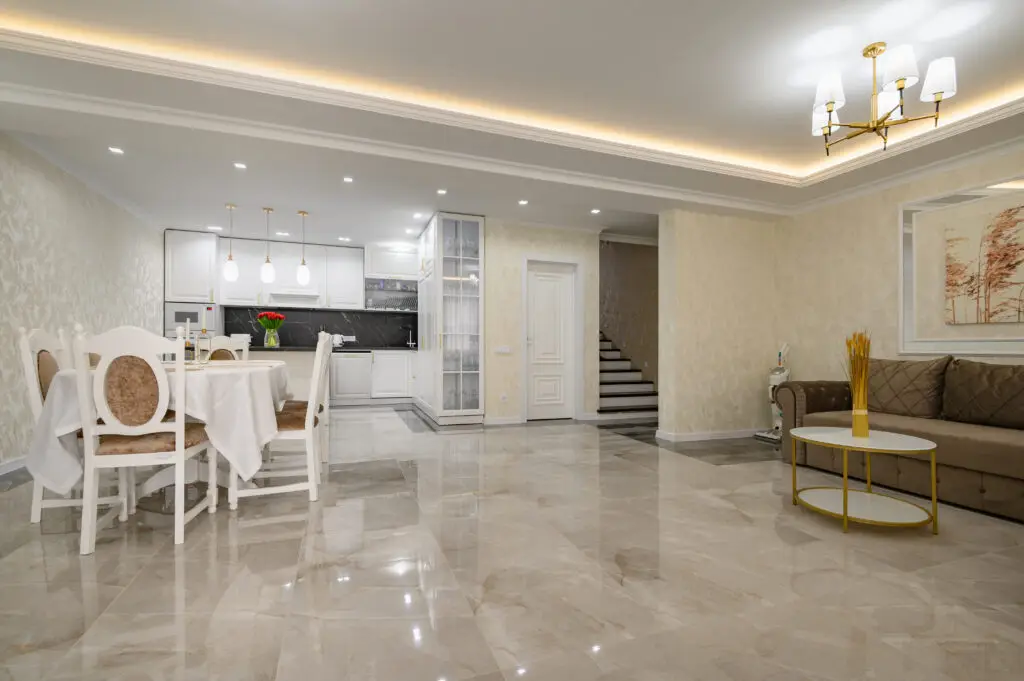
Why Sealing Tile Floors Is Important
Sealing is not just about making your floors look good; it’s about protecting a key part of your home’s structure. Here’s why it’s a non-negotiable step for any tile floor.
Protecting grout lines
Grout is a porous mixture of cement, sand, and water. Because it’s so absorbent, it can easily stain from spilled liquids like coffee, wine, or even dirt and grime. Over time, this leads to discoloration and a dingy appearance that no amount of scrubbing can fix. A sealant fills these tiny pores, creating a barrier that prevents spills from soaking in.
Preventing stains and water damage
In areas with a lot of moisture, like a bathroom or a laundry room, unsealed grout can absorb water. This can lead to mold and mildew growth, not only creating an unpleasant musty odor but also potentially damaging the subfloor underneath. By sealing the grout and the tiles (if they are also porous, like natural stone), you create a watertight surface that makes cleaning easier and protects your home from moisture-related issues.
Types of Tile Sealers
Choosing the right sealer is crucial for getting the best results. There are two main types of sealers on the market, each with a different purpose and application method.
Penetrating sealers
These are the most common and popular choice, especially for tile floors. A penetrating sealer is a liquid that soaks into the pores of the grout and tile. It doesn’t leave a visible film or shiny surface on top. Instead, it creates a chemical barrier within the grout and tile itself that repels water and stains from the inside out. This type of sealer is ideal for natural stone, unglazed porcelain, and all grout lines. It provides excellent, long-lasting protection without changing the look or texture of your floor.
Topical sealers (gloss & matte)
A topical sealer, on the other hand, sits on top of the tile and grout, creating a protective coating or film. This type of sealer is often used to give floors a glossy or matte finish and can enhance the color of the tile. While they offer good protection, they can be more prone to showing scratches and can wear down in high-traffic areas, potentially yellowing over time. Topical sealers are typically used on unglazed tiles where a specific finish is desired.
Step-by-Step Tile Sealing Process
Once you’ve selected your sealer, the application process is straightforward but requires careful attention to detail.
Cleaning the tile floor
This is the most important step. Your tile and grout must be absolutely spotless and completely dry before you apply the sealer. Use a grout brush and a pH-neutral tile cleaner to scrub away all dirt, grime, and mildew. If you’ve used a heavy-duty cleaner, be sure to rinse the floor thoroughly to remove all residue. Any dirt sealed into the grout will be impossible to remove later. Allow the floor to dry completely, which can take up to 24 hours depending on humidity.
Applying sealer evenly
For penetrating sealers, the easiest way to apply is to use a paint pad, a small brush, or a grout applicator bottle. Work in small, manageable sections, applying the sealer to the grout lines first, and then to the surface of the tiles. Apply a thin, even coat. If you see any puddles or excess sealer, wipe it up immediately with a clean, dry cloth.
Drying and reapplying as needed
Refer to the manufacturer’s instructions for drying times. Most sealers will be dry to the touch within a few hours, but it’s best to wait 24 hours before allowing for light foot traffic. Depending on the product, you may need to apply a second coat for maximum protection.
Maintenance Tips
A sealed tile floor is much easier to maintain, but it still requires some basic care to ensure the seal lasts as long as possible.
How often to reseal tile floors
A good penetrating sealer can last for several years, but the exact timeline depends on the level of foot traffic and the type of cleaner you use. For high-traffic areas like a kitchen or entryway, you may need to reseal every 1-2 years. For a bathroom or laundry room, every 3-5 years is a good rule of thumb. A simple test is to drip a few drops of water on the grout; if it soaks in rather than beading up, it’s time to reseal.
Best cleaners for sealed tiles
Always use a pH-neutral cleaner specifically designed for tile floors. Avoid harsh or acidic cleaners like vinegar, bleach, or ammonia-based products, as they can break down the sealant over time and make the floor more susceptible to damage.
Considering a new tile or looking for professional installation? Contact the experts at Sky Hardwood Floors today for a free on-site consultation to find the perfect tile for your home.